 By Claire Whitaker
Updated November 2026
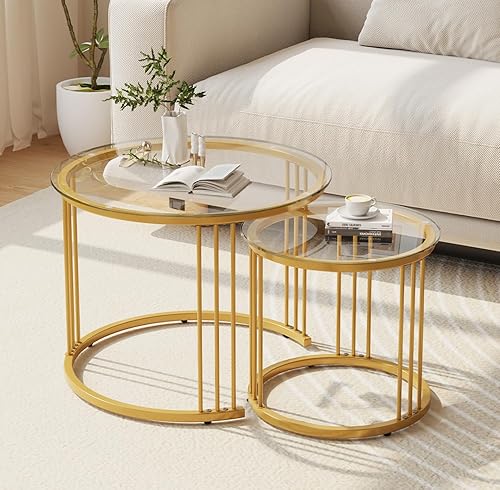
IKEA Svalsta nesting tables are a set of two or three tables that tuck inside one another when not in use and spread out when you need extra surface space. This guide walks you through what the Svalsta set includes, how to measure your living room so the tables fit, how to set them up and style them, and where people tend to go wrong. By the end, you should know whether the Svalsta is the right size and style for your room and how to arrange it so it looks intentional.
What the IKEA Svalsta Nesting Tables Include
The Svalsta line is part of IKEA’s living-room lineup and is usually sold as a set of nesting tables with a simple, clean frame. Before you measure anything, confirm the exact configuration on the product page, because IKEA adjusts finishes and set sizes from time to time. The key details to check are:
Shopping for one? See our guide: Metal Round Nesting Tables Review: Features and Performance.
- The number of tables in the set (nesting sets commonly come in two or three pieces)
- The top dimensions and height of the largest table
- The material and finish of the top and legs
- Whether the tops are solid, veneered or laminated
- The weight capacity and assembly requirements listed in the product specifications
Manufacturers usually specify a maximum load for each table, and that number matters more than people expect if you plan to stack books or set heavy décor on the top. If you can’t find a load rating in the listing, treat the tables as light-duty surfaces for drinks, a lamp and a few lightweight items.
Step 1: Measure Your Living Room Before You Buy
Nesting tables only work if they fit the seating and walkways around them. A set that looks right in a showroom can crowd a small sofa area very quickly. Use these measurements:
- Measure the length of the sofa from end to end.
- Measure the seat height of the sofa cushion from the floor.
- Measure the clear walkway space you want to keep, usually at least 30 inches for comfortable movement.
- Measure the distance from the front edge of the sofa to where the table would sit.
- Measure the height of the armchair arms if you plan to place tables beside chairs.
A common guideline is to keep the top of a coffee table roughly level with or a little below the seat cushion, which makes it easy to reach while seated. Side tables work best when the top sits near arm height. If your sofa is low, a taller table set can feel awkward, so compare the heights before you decide.
Table Height Comparison
| Reference point | Typical range | Why it matters |
|---|---|---|
| Sofa seat cushion height | About 16 to 19 inches | Coffee table top should sit near this level for easy reach |
| Armchair arm height | About 22 to 26 inches | Side table top should sit near this level |
| Clear walkway | About 30 inches minimum | Keeps the room comfortable to move through |
For more on standard heights and why they vary, see What Is the Standard Coffee Table Height? Dimensions Explained and What Is the Average Coffee Table Height? Standard Sizes and How to Measure.
Step 2: Decide Between a Coffee Table Setup and a Side Table Setup
Nesting sets are flexible, but you should decide how you plan to use them before you place them. In most living rooms, the set works in one of three ways:
- Front of the sofa: The largest table serves as the main coffee table, and the smaller pieces are pulled out only when you need extra space for guests.
- Beside a sofa or chair: Two tables split apart to flank the seating, which is useful for lamps and drinks.
- Corner or reading nook: One table nests into a corner while another sits next to a chair.
If your room is small, the front-of-sofa setup often gives you the most usable surface area without blocking the path. Larger rooms can handle a split layout. For a broader look at how nesting pieces are meant to be used, read Nesting Coffee Tables Explained.
Step 3: Set Up and Arrange the Tables
Once the tables arrive, follow the assembly instructions closely, since leg alignment affects stability. Then place them in your room using a simple sequence:
- Assemble each table on a soft surface such as a rug or blanket to protect the finish.
- Check that each table sits flat on the floor. If it rocks, adjust the leveler feet or place a thin felt pad under the short leg.
- Set the largest table first, leaving the recommended walkway space.
- Place the smaller table beside it, staggering the height if you want a layered look.
- Check sightlines from the sofa and from the room entrance to confirm the arrangement feels balanced.
Felt pads are inexpensive and reduce scratching on hardwood or laminate floors. If your room has a rug, check that the table legs sit fully on the rug or fully off it. A leg straddling the rug edge is a common cause of wobble.
Step 4: Style the Set Without Overcrowding It
Styling nesting tables is mostly about restraint. Each table should hold a small number of items with some empty space between them. A practical approach:
- Use one tall element, such as a lamp, plant or stack of two books, on the larger table.
- Keep the smaller table low and light, with a candle, a tray or a single object.
- Use a tray to group small items so they look deliberate and are easier to clean around.
- Vary textures: pair a wood top with a ceramic, a woven basket or a glass object.
Some people prefer to match the Svalsta finish to other wood pieces in the room, while others choose a contrasting accent. Both approaches work when the tones are repeated somewhere else in the space. If your room has a rustic or natural palette, Wooden Coffee Table Rustic: A Step-by-Step Guide to Choosing the Right One covers how wood tones interact with other materials.
Tips for Living With a Nesting Set
- Nest the tables when you’re not using them to save floor space and keep traffic paths clear.
- Lift rather than drag the tables when moving them, since dragging can scratch floors and loosen joints.
- Wipe spills promptly, especially on veneered or laminated tops.
- Tighten fasteners every few months if the tables are used daily, because repeated nesting and unnesting can loosen hardware.
- Keep coasters within reach so guests use them without thinking.
Common Mistakes
- Buying by photo alone. Product images often use wide rooms and rugs that make the tables look bigger or smaller than they are. Always check the listed dimensions.
- Ignoring the sofa height. A table that sits too high or too low creates an awkward reach every time you sit down.
- Overloading the top. Stacking heavy books or décor can exceed the manufacturer’s load rating, especially on smaller tables.
- Skipping the level check. Uneven floors cause wobble that gets worse over time if you don’t adjust the feet.
- Placing tables too close to the sofa. Leaving less than about 14 inches between the sofa edge and a table can make it hard to set down a drink.
- Mismatching scale. A large, heavy set in a small room can crowd the space, while a tiny set in a large room can look lost.
Recommended gear
A few simple accessories make a Svalsta set easier to use and protect the finish over time.
- Felt furniture pads: These reduce scratching when you nest or move the tables and help prevent slipping on hard floors. View on Amazon
- Leveling feet: Adjustable glides let you correct a rocking table without shimming it with folded paper. View on Amazon
- Serving tray: A tray groups small items on the table and makes cleanup faster. View on Amazon
- Coasters: Absorbent coasters protect veneered and laminated tops from rings and moisture. View on Amazon
FAQ
Are IKEA Svalsta nesting tables good for small living rooms?
They can be, because the tables nest together and take up less floor space when not in use. Choose the front-of-sofa setup and keep the walkway clear, and the set will feel more open than a single large table.
How do I know if the Svalsta set is the right height?
Compare the top height with your sofa seat cushion and armrest height. A coffee table top near seat-cushion level is easy to reach, and a side table top near arm height works well beside a chair.
Can I put heavy items on the tables?
Check the manufacturer’s stated load rating in the product specifications. If none is listed, keep weight light, such as a small lamp, a plant and a few books, and avoid stacking heavy décor.
How do I stop the tables from wobbling?
Make sure the assembly hardware is tight and the legs are square. Then check the floor for unevenness. Adjustable leveling feet or a thin felt pad under a short leg usually solves the problem.
Should the nesting tables match my other furniture?
Matching is not required. Repeating a tone or material elsewhere in the room, such as the floor, a picture frame or a lamp base, keeps the set from looking out of place even if the finish is different.
How do I protect the finish on a Svalsta table?
Use coasters, wipe spills quickly and avoid placing hot cups or wet glasses directly on the surface. Felt pads on the feet protect both the table and the floor.
Is it safe to let children play around nesting tables?
Nesting tables have corners and edges that can cause bumps. If young children are in the home, consider placing the tables away from play areas and supervise when they are moved. For guidance specific to your household, consult a child safety professional or your pediatrician.
Where can I learn more about nesting table sizing?
Start with What Is the Average Coffee Table Size? Dimensions and How to Choose for general sizing guidance, then compare nesting styles in Wooden Nesting Tables for Living Room: How to Choose a Set That Fits (2026).
Conclusion
IKEA Svalsta nesting tables can give a small or medium living room extra surface area without permanent bulk. Measure your sofa and walkways first, choose the setup that fits your layout, and style each table with restraint. Check the listed dimensions and load rating before you buy, and your set should look intentional for years.
Ready to choose one?
About Claire Whitaker
Claire Whitaker is part of our editorial team and reviews and edits our living-room tables guides, checking product details against manufacturer specifications and owner feedback.