By Grayson Holland
As an Amazon Associate I earn from qualifying purchases. This page may contain affiliate links.
A wooden coffee table rustic in style brings warmth, texture and a lived-in character to a living room that glass and metal can’t match. This guide walks you through choosing the right wood, sizing the table to your seating, picking a finish that suits the look you want, and styling it so the piece feels intentional rather than accidental. By the end, you’ll have a clear checklist for evaluating any rustic wooden coffee table you consider.
What Makes a Coffee Table Read as Rustic
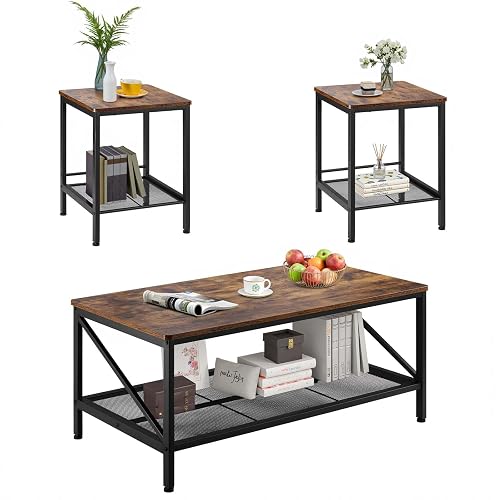
Rustic design is less a single style than a set of cues: visible wood grain, natural or lightly worn surfaces, sturdy proportions, and hardware that looks handmade or aged. A rustic wooden coffee table usually shows some evidence of its material, such as knots, saw marks, plank seams or a hand-applied finish, and it avoids the sleek, perfectly uniform surfaces of modern pieces.
Shopping for one? See our guide: 8 Best Coffee Tables for Living Room (2026): Expert Picks.
If you’re already comparing frames, the Wood Frame Glass Coffee Table Buying Guide covers how wood frames combine with glass, while the Metal Frame vs Wood Frame for Coffee Tables comparison helps you weigh structural differences.
Step 1: Choose the Wood Species
The species determines the grain, color and hardness of your table, and it affects how well the piece handles daily knocks. Common options for rustic builds include:
- Reclaimed pine: Soft, with pronounced knots and wide grain. It dents more easily, which many buyers see as part of the charm.
- Oak: Hard, with strong, visible grain and a classic farmhouse look. It resists dents well and takes stain evenly.
- Acacia: Dense and often striped with color variation. It’s a common choice for warm, honey-toned rustic pieces.
- Walnut: Darker and richer, with a more refined rustic feel. It usually sits at the higher end of material cost.
- Mango wood: Often sold as a budget pick, with knots and color variation that suit a casual rustic look.
For households with children or pets, oak or acacia will hold up better than softer pine. For a calmer, more traditional room, pine or reclaimed barnwood gives a softer, weathered appearance.
Step 2: Size the Table to Your Seating
A coffee table that’s too large crowds the room, and one that’s too small looks lost. Use these general guidelines:
- Measure the length of your sofa. A rectangular table generally works well at about two-thirds of the sofa’s length.
- Leave 14 to 18 inches between the sofa edge and the table so you can walk and reach comfortably.
- Aim for a tabletop height within 2 inches of your sofa seat height. Tables that sit noticeably higher or lower feel awkward to use.
- If you have a sectional or armchairs, measure the open area rather than the sofa alone.
Small rooms benefit from compact rustic tables with a lower profile and a slightly narrower top. The Small Glass Coffee Tables: A Complete Space-Saving Guide covers sizing tactics that apply to wood as well.
Round or Rectangular?
Rectangular tables suit most sofa-centered layouts and offer more surface area. Round rustic tables soften the corners in a crowded room and work well between two chairs. The Round vs Rectangular Coffee Tables article compares the trade-offs in more detail.
Step 3: Pick a Finish That Matches Your Goal
The finish controls how much of the wood’s character you see. Options include:
| Finish | Look | Best For |
|---|---|---|
| Natural oil or wax | Matte, grain-forward, soft sheen | Pine, reclaimed wood, relaxed rooms |
| Clear polyurethane | Glossier, more protective | High-use tables, families with kids |
| Dark stain | Deep, moody, traditional | Oak or walnut in formal spaces |
| Whitewash or limewash | Light, airy, weathered | Farmhouse and coastal rustic rooms |
| Distressed paint | Chippy, layered, vintage | Cottage and shabby-chic styles |
Manufacturers commonly specify whether a finish is water-resistant or needs periodic re-oiling, so check the care notes before buying.
Checking Surface Quality
Run your hand across the top. Rustic doesn’t have to mean rough. Look for smooth-enough planks with no splinters, tight joints between boards, and consistent edge treatment. Gaps that are intentional should be even, not random.
Step 4: Evaluate Construction and Hardware
Rustic styling often hides weak construction behind distressing. Before committing, check:
- Whether the top is solid wood or veneer over particleboard
- Joinery: mortise-and-tenon, dowels or screws, with corner blocks visible from below
- Leg attachment: legs should feel firmly fixed when you push the table sideways
- Metal hardware: iron or steel should be sturdy and free of loose fittings
- Shelf support if the design includes a lower shelf
If the design is a lift-top or includes storage, the Lift-Top Coffee Tables: A Guide to Styles and Uses and the Open-Shelf vs. Closed Storage Coffee Table Comparison explain the mechanisms and the practical differences.
Step 5: Style the Table So It Feels Intentional
A rustic table looks best with a few carefully chosen pieces rather than a crowded surface. Try this layout approach:
- Start with one anchor object, such as a wooden tray, a stoneware vase or a stack of books.
- Add a textured element: a woven basket, a small plant or a candle in a clay holder.
- Include one or two books stacked horizontally, with a smaller object placed on top.
- Leave roughly a third of the surface open so the wood remains visible.
For guidance on arranging books specifically, see Styling with Coffee Table Books: Arrangement and Selection. If you plan to rotate decor across the year, Seasonal Coffee Table Decor Ideas for Glass Tables offers swaps that also work on wood.
Recommended gear
These supplies help you maintain and refresh a wooden table:
- Furniture wax or oil for wood: Feeds natural finishes and restores sheen. Look for a product labeled for your existing finish type. View on Amazon
- Microfiber cloths: Dust without scratching and pick up oil residue cleanly. View on Amazon
- Felt pads or furniture protectors: Protect the floor from leg scrapes when you move the table. View on Amazon
- Coasters with cork backing: Shield the finish from rings and heat marks. View on Amazon
Common Mistakes
- Buying by photo alone. Rustic grain and color vary widely between pieces, so check listing images for the specific product if possible.
- Overloading the surface. Too many objects erase the wood and make the table feel cluttered.
- Ignoring the finish care routine. Oil-finished tables need periodic re-oiling; sealed tables need gentler cleaners.
- Mixing too many rustic elements. Pairing distressed paint, heavy iron and a live-edge slab can read as costume rather than curated style.
- Choosing a soft wood for a high-traffic room. Pine dents easily, which suits some homes but frustrates others.
Tips for Making the Look Work
- Match the table’s undertone to your floors and wall color. Warm oak pairs well with cream walls; grayer weathered wood suits neutral palettes.
- Repeat the wood tone once elsewhere in the room, such as a picture frame or side table, to tie the space together.
- Use linen or wool throws and natural-fiber rugs to reinforce the rustic mood.
- Keep metal accents minimal and matched in finish, such as all black iron or all aged brass.
- If you want a lighter feel, the Using Lighting to Enhance a Glass Coffee Table article explains how warm light brings out wood grain even without glass.
FAQ
What does a rustic wooden coffee table look like?
It typically shows visible wood grain, knots or plank seams, a matte or hand-applied finish, and sturdy proportions. Hardware is often iron or aged metal.
Is oak or pine better for a rustic coffee table?
Oak is harder and resists dents, so it suits busy households. Pine has a softer look and shows more character, but it marks more easily.
What height should a coffee table be?
Aim for a tabletop height within about 2 inches of your sofa seat height. This keeps items easy to reach from a seated position.
How big should a rustic coffee table be for a small room?
Choose a table with a narrower top and lower profile, and leave at least 14 inches of walking space between the table and seating.
Can I refinish a wooden coffee table myself?
Yes, many surface-level refinishing jobs are straightforward with sanding, stain or oil. For valuable antiques or deep damage, consult a professional furniture restorer.
How do I protect a wood coffee table from rings?
Use coasters, wipe spills promptly, and reapply oil or wax on oil-finished tables according to the manufacturer’s care guidance.
Does a rustic wooden coffee table work in a modern room?
It can, especially when the table has clean lines and a lighter finish. Pairing it with minimal decor and neutral textiles keeps the contrast balanced.
Conclusion
A well-chosen wooden coffee table rustic in character anchors a living room with warmth and texture. Start with the wood species and finish that match your household’s habits, size the table to your seating, and check the construction before you buy. A few thoughtful styling pieces will finish the look.
Related reading
- Wood Frame Glass Coffee Table Buying Guide
- Using Lighting to Enhance a Glass Coffee Table
- Types of Glass Coffee Tables: Shapes, Bases and Designs
- Tinted Glass Coffee Table Colors and Effects

About Grayson Holland
Grayson writes about living-room tables. Each guide starts with research into how products are built and what owners report after months of use, and is revised when better options appear.