By Claire Coleman
Quick answer
Buying a wood frame glass coffee table involves choosing between solid wood and veneer, checking the quality of joinery, selecting a durable finish, and matching the wood tone to your existing furniture. Focus on construction details and manufacturer care instructions for a table that lasts.
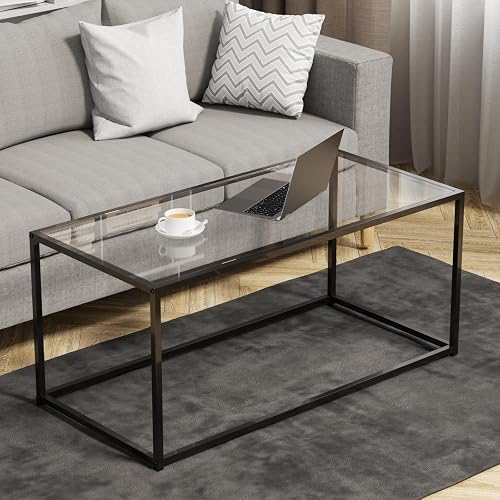
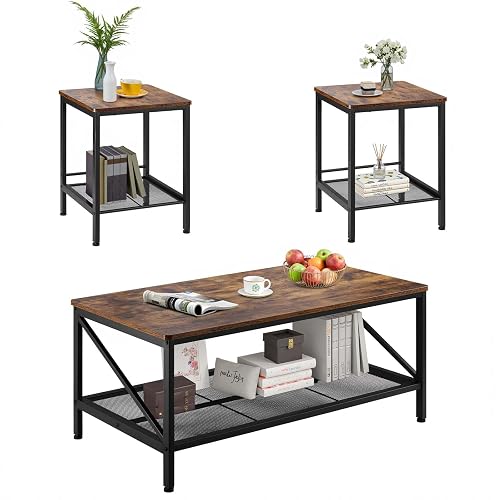
When you’re buying a wood frame glass coffee table, you’re selecting a piece that combines the warmth of natural wood with the airy lightness of glass. This blend can anchor your seating area without overwhelming it, making it a popular choice for many living rooms. This guide will walk you through the key considerations, from the type of wood and how it’s put together to how it will look with your sofa and other furnishings. For a broader look at different frame options, you can explore our Frame Materials category.
Evaluating Wood Types: Solid vs. Veneer
The first major decision when buying a wood frame glass coffee table is understanding the material. The frame can be made from solid wood or wood veneer, and each has distinct characteristics.
Solid wood means the structural parts of the frame are cut from lumber. It’s prized for its strength and longevity. A solid wood frame can often be sanded and refinished if it gets scratched or dented, allowing it to be refreshed over many years. Common solid woods used include oak, maple, walnut, and acacia, each with its own grain pattern and hardness.
Wood veneer involves a thin layer of real wood (the veneer) glued over a core material, which is often engineered wood like plywood or MDF. This construction is very stable and resists warping. High-quality veneer can be almost indistinguishable from solid wood and offers beautiful grain patterns at a lower cost. The key is the thickness of the veneer layer and the quality of the core; a thicker veneer is more durable and can sometimes be lightly refinished.
Neither option is inherently “better”; it depends on your budget, desired look, and how you plan to use the table. A solid wood frame may feel more substantial, while a well-made veneer offers excellent value and visual appeal.
Assessing Joinery and Construction Quality
How the wood pieces are connected is a critical indicator of a table’s durability. Good joinery ensures the frame remains sturdy and wobble-free.
- Visible Joints: Look at how the legs attach to the apron (the horizontal support under the tabletop) or frame. Dovetail, mortise-and-tenon, or well-executed dowel joints are signs of careful craftsmanship. These interlocking joints are strong and resist pulling apart.
- Reinforcements: Check for metal brackets, corner blocks, or screws that provide additional support at stress points. These are common and perfectly acceptable, especially in larger tables, as long as they are securely fastened and not the sole method of support.
- Stability Test: If you can examine the table in person, gently test it for rocking. A well-constructed frame should feel solid and not flex unduly. Always follow the manufacturer’s assembly instructions precisely, as improper assembly is a common cause of instability.
Remember, the glass top also contributes to stability by adding weight and connecting the frame. Ensure the glass rests securely in its mounts or on its supports.
Choosing a Durable Finish
The finish on a wood frame protects it from daily wear, spills, and sunlight. The right finish makes maintenance easier and preserves the table’s beauty.
Common finishes include:
- Oils and Waxes: These penetrate the wood, enhancing the grain with a natural, matte look. They require more frequent reapplication but are easy to spot-repair.
- Lacquers and Varnishes: These create a hard, protective film on the wood’s surface. They are highly resistant to water, alcohol, and heat, making them a practical choice for a coffee table surface that will hold drinks.
- Painted Finishes: Paint completely covers the wood grain, offering a uniform color. A quality painted finish should feel smooth, not tacky, and be resistant to chipping.
Your lifestyle should guide your choice. A household with young children or frequent entertaining might prioritize a tough lacquer, while someone seeking a rustic patina might prefer an oil finish. Crucially, always clean and care for the wood using only the methods and products specified in the manufacturer’s instructions to avoid damaging the finish.
What to look for
- Wood Integrity: Decide if solid wood or quality veneer better suits your needs and budget.
- Strong Joints: Look for sturdy joinery like dowels or mortise-and-tenon, plus reinforcements at corners.
- Appropriate Finish: Match the finish type (e.g., durable lacquer for active homes) to your household’s activity level.
- Tone Coordination: Bring fabric swatches or photos to compare wood tones against your existing furniture and floors.
- Glass Security: Ensure the glass top has secure fittings or a lip to prevent sliding.
Matching Wood Tones to Your Decor
One of the joys of buying a wood frame glass coffee table is finding one that harmonizes with your living room. The goal is cohesion, not necessarily a perfect match. A related read: 7 Best Wood Circle Coffee Tables for Small Living Rooms (2026).
Identify Your Existing Tones: Look at the dominant wood tones in your room—your flooring, shelving, side tables, or cabinetries. Are they warm (reddish like cherry, golden like oak), cool (grayish like weathered wood, dark like espresso), or neutral (like natural birch)?
Strategies for Harmony:
- Close Match: Choosing a table wood that closely matches your other major wood pieces creates a streamlined, formal look.
- Intentional Contrast: Pairing light wood with dark wood, or a warm tone with a cool tone, can make each piece stand out as a deliberate design choice. For example, a walnut table can look striking against light oak floors.
- Unifying with a Neutral: If you have multiple wood tones already, a table in a medium, neutral tone (like a natural maple or a painted finish) can act as a bridge between them.
Don’t forget the style of the wood grain and the table’s design. A table with a rustic, live-edge wood frame brings a different feel than one with a sleek, straight-grained, modern frame. For ideas on mixing metal and wood, see our guide on Chrome Frame Coffee Tables.
Safety
Glass tops for furniture should be made with tempered (safety) glass. Tempered glass is processed to be stronger than regular glass and, if it does break, it shatters into small, dull pieces rather than sharp shards. This is a critical safety feature, especially in homes with children or pets. Always verify with the manufacturer or retailer that the glass is tempered. For general furniture safety, including tip-over risks, follow the manufacturer’s assembly instructions and anchoring guidance. You can find more information on furniture recalls at the U.S. Consumer Product Safety Commission and anchoring tips at Anchor It!.
FAQ: Buying a Wood Frame Glass Coffee Table
Can a wood and glass coffee table work in a small living room?
Absolutely. The transparent glass top helps maintain a sense of openness and doesn’t visually clutter the space, making it an excellent choice for smaller rooms. The wood frame adds just enough visual weight to define the area without feeling bulky.
How do I clean and maintain the wood frame?
Always follow the care instructions provided by the manufacturer. Generally, dust regularly with a soft, dry cloth. For cleaning, use a slightly damp cloth wrung out well, and dry the surface immediately. Avoid harsh chemicals, abrasive cleaners, or furniture polishes that aren’t recommended for the specific finish, as they can cause clouding or damage.
Is it hard to match a wood tone from an online photo?
It can be challenging, as screen colors vary. If matching is crucial, try to order a physical wood sample from the retailer. Alternatively, look for retailers with generous return policies. Reading customer reviews that mention color accuracy can also be very helpful.
What other frame materials pair well with wood?
Mixed-material tables are very popular. A wood frame often pairs beautifully with metal accents, such as brass caps on the legs or a metal base under a wood apron. This blend can add an industrial or modern touch. Explore our article on Styling with a Brass Finish Coffee Table for inspiration on incorporating metal finishes.
Where can I learn about other frame options?
If you’re considering all your options, our Coffee Table Materials overview is a great starting point. For a deep dive into another popular choice, read our Metal Frame Coffee Table Guide.
References
- Manufacturer manuals and specification sheets: For assembly, care, and safety information specific to your table.
- U.S. Consumer Product Safety Commission (CPSC): For furniture safety standards and recall information.
- Anchor It!: For guidance on preventing furniture tip-overs.

About Claire Coleman
Claire researches and writes buying guides and how-to articles on living-room tables. Picks are based on product specifications, brand reputation and patterns in owner feedback, and are updated as new models come out.