 By Claire Whitaker
Updated November 2026
An end table vs nightstand comparison comes down to where the piece will live and what you need it to do. End tables are built for living rooms and sofas, usually sitting a little lower and wider, with more visual presence. Nightstands are designed for bedside use, with a height matched to a mattress and often a drawer or two for small essentials. If you want a flexible surface beside a sofa or chair, pick an end table. If you need a bedside companion that holds a lamp, a phone, and a glass of water within arm’s reach, a nightstand is the better fit.
| Criterion | End Table | Nightstand |
|---|---|---|
| Typical top height | 20 to 26 inches, close to a sofa arm | 24 to 28 inches, close to a mattress top |
| Typical top width | 16 to 24 inches | 16 to 22 inches |
| Primary room | Living room, den, sitting area | Bedroom |
| Storage style | Open shelves, cabinets, occasional drawers | Usually one to three drawers, sometimes a shelf |
| Surface use | Lamps, drinks, decor, remotes | Lamps, clock, phone, books, water glass |
| Design range | Very wide, including sculptural and accent styles | Narrower, focused on matching bed frames |
| Mobility in a room | Easy to move between seating areas | Often placed once and left in position |
Height and Reach: Which Works Better Where You Sit or Lie Down
Height is the single most important difference. A typical sofa seat sits around 16 to 18 inches off the floor, and the arm usually rises to roughly 24 to 26 inches. An end table in the 20 to 26 inch range puts its surface at a comfortable reach from the arm without forcing you to stretch. Many designers aim for the table top to sit level with or just below the sofa arm.
A standard mattress top usually lands between 24 and 28 inches, depending on the frame and bedding. Nightstands are generally built in that same range so you can reach a lamp switch or alarm clock while lying down. A low end table placed beside a bed will often feel too short, and a tall end table beside a sofa can feel awkward and block the view.
Winner for height: Nightstand for beds, end table for sofas. The right height is the one that matches the furniture it serves, not a general standard.
Size and Footprint: Which Fits Tight Spaces Better
Both pieces are commonly sold in similar footprints, but end tables offer more variety. Round and drum-style end tables can be as narrow as 14 to 16 inches across, which suits the gap between two chairs. Rectangular options often run 20 to 24 inches wide and fit a corner or sofa arm neatly. Nightstands tend to be more uniform, usually 15 to 22 inches wide and 15 to 18 inches deep, which is designed around standard bedroom clearances.
For a small room, measure the clearance before you buy. Leave at least 24 inches of walking space between furniture where possible, and allow room for a drawer to open fully. A nightstand with a drawer needs roughly 4 to 6 inches of clearance in front of it to open comfortably.
Winner for size flexibility: End table. The wider design range makes it easier to find a footprint that works in an awkward corner.
Storage: Drawers Versus Open Shelves
This is where the two diverge most clearly. Nightstands almost always include a drawer or two, since they are meant to hold reading glasses, chargers, medication, and small personal items out of sight. A typical single-drawer nightstand offers enough space for a few essentials, while a two- or three-drawer model can hold a full bedtime routine.
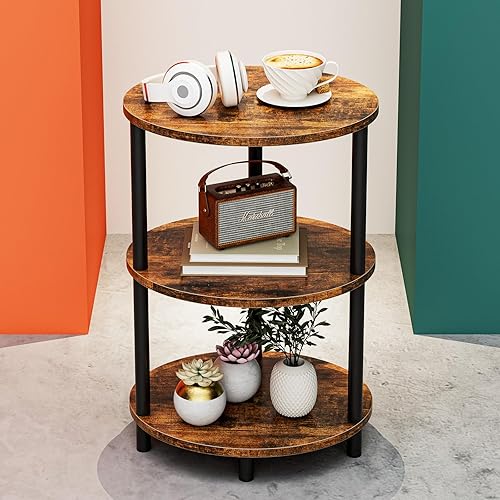
End tables take a more varied approach. Many have open shelves below the top, which work well for magazines, baskets, or decorative books. Others have a single cabinet door or a drawer. Owners often report that open shelves look lighter in a small living room, while closed storage hides clutter but can make the piece feel heavier. For a closer look at this tradeoff, see Open-Shelf vs. Closed Storage Coffee Table Comparison.
If you want a drawer-based end table, 6 Best End Tables with Drawers for Small Living Rooms (2026) covers several configurations. For storage-heavy designs, End Table with Storage: 6 Best Picks for Small Living Rooms (2026) is a useful reference.
Winner for bedroom storage: Nightstand. Winner for living room storage variety: End table.
Style and Materials: Matching the Room Around It
Nightstands usually follow the design language of the bed. A matching set in walnut, white oak, or painted finish is common, and many buyers choose a nightstand to complete a bedroom suite. End tables have more freedom to contrast with the sofa or chair, which is why you see everything from glass and metal to solid wood and marble. Wood end tables offer warmth and durability, and Wood End Table Furniture: A Step-by-Step Guide to Choosing the Right One walks through the main wood types and finishes. For a stone look, Side Table Marble Top vs Wood Top: Which Should You Choose? compares the two surface options.
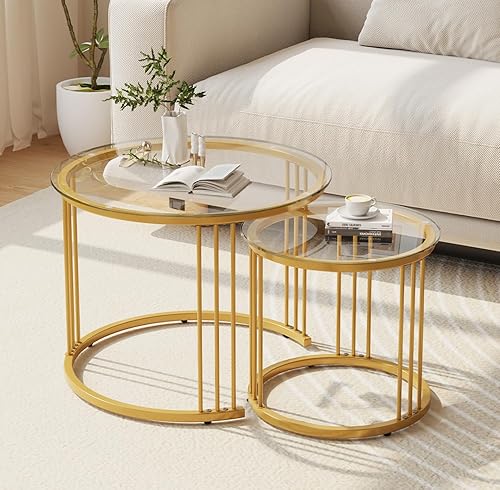
If you like a cooler, more reflective finish, glass and metal are common in the end table category. Glass tops show dust and fingerprints more readily, so plan on regular wiping. Glass vs Wood Coffee Tables explains how these materials differ in daily use, and the same considerations apply to glass-topped end tables.
Winner for style range: End table. Nightstands can be just as attractive, but they are constrained by matching the bed.
Mobility and Placement
End tables are often moved. You might shift one from the sofa to a reading chair, or bring a second one into a guest space. Their lighter builds and simpler shapes make this easy. Nightstands are usually placed once, flanking the bed, and rarely relocated. Their heavier drawer units and fixed height make them less suited to frequent movement.
If you want an end table that moves easily, look for designs with caster-ready bases or lightweight construction. Adding casters is a practical upgrade, and Wheel for Coffee Table: How to Add Casters in 6 Steps shows the process, which works on many end tables too.
Winner for mobility: End table.
Surface Use and Daily Function
Both pieces hold a lamp, but the daily habits differ. A nightstand supports an alarm clock, a phone on a charger, a book, and a water glass, and it needs to be stable enough for someone to grab it in the dark. End tables support a broader set of items: a drink while watching TV, a remote, a plant, or a decorative object. Lamp selection matters for both, and 7 Best Lamps for End Table Picks for Living Rooms (2026) offers ideas that fit the typical end table height and footprint.
Consider the lamp shade height as well. A lamp on a nightstand should sit so the light falls at a useful level for reading in bed. On an end table, the lamp is often lower relative to the seating.
Winner for bedtime function: Nightstand. Winner for general living room function: End table.
Which Should You Choose?
- Choose a nightstand if you need a bedside surface matched to a bed, want drawer storage for small personal items, and plan to keep the piece in one place.
- Choose an end table if you are furnishing a living room, den, or sitting area beside a sofa or armchair and want more style options and flexibility.
- Choose an end table with drawers if you want living room storage but still need a hidden place for remotes and chargers.
- Choose a nightstand in a bedroom with a low bed frame if the mattress top sits lower than average and you want to confirm height before buying.
- Choose either, measured first, if you are using the piece in a small room and need to confirm clearance for doors, drawers, and walkways.
Product examples for each category:
For an end table: View on Amazon
For a nightstand: View on Amazon
FAQ
Can I use an end table as a nightstand?
Yes, if the height is right. Measure the distance from the mattress top to where you want the lamp and phone to sit. Many end tables fall within the 24 to 28 inch range people use for bedside surfaces, but a low or very wide end table may be uncomfortable to reach from bed.
Is a nightstand the same height as an end table?
Not always. Nightstands are generally a bit taller to match mattress height, while end tables are usually sized to sofa arm height, which is often lower. Heights overlap, so check specific measurements rather than relying on the category name.
Do nightstands need drawers?
Not strictly, but most are designed with them. Drawers hold small items that clutter a bedside surface. An open-shelf nightstand can work if you prefer a lighter look and have storage elsewhere in the room.
What size end table works beside a sofa?
Aim for a top height that sits level with or slightly below the sofa arm, usually around 20 to 26 inches. Width often ranges from 16 to 24 inches. Leave enough space for walking and for a lamp to sit without crowding the seating.
Should I buy a matching set or mix them?
Matching sets are convenient for bedrooms, but mixing a nightstand with an end table can work if they share a finish, color, or material. Repeating one element, such as wood tone or hardware color, helps the pieces look intentional even when the shapes differ. Confirm that the heights suit their roles before you commit.
Conclusion
The end table vs nightstand decision depends on the room and the job. A nightstand is the practical choice for a bedside surface sized to a mattress, with drawers for everyday essentials. An end table fits living room seating, offers wider style choices, and moves more easily between spaces. Measure your furniture first, check the height against the piece it will sit beside, and confirm clearances before you buy.
About Claire Whitaker
Claire Whitaker is part of our editorial team and reviews and edits our living-room tables guides, checking product details against manufacturer specifications and owner feedback.