 By Claire Whitaker
Updated November 2026
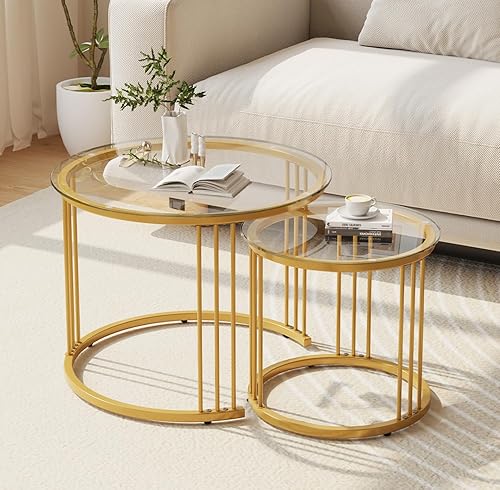
Restoration Hardware nesting tables are sold as a set of two or three tables that tuck into one another, giving you a flexible surface when you need it and a compact footprint when you don’t. This guide walks you through how to measure your space, judge materials and construction, decide between a matched set and a mixed pair, and style the tables so they look intentional. By the end, you should be able to narrow the field of options and know what to check before you commit.
Why Restoration Hardware Nesting Tables Work in Small Rooms
Nesting tables solve a space problem. A single large coffee table can block a walkway or crowd a sofa, while a set of smaller tables can be pulled apart for a party and stacked back together the rest of the week. Because the tables are typically graduated in size, the largest one usually sits in front of the sofa and the smaller ones slide into its open space or beside a chair. If you want background on how the pieces fit together, see Nesting Coffee Tables Explained.
Shopping for one? See our guide: 8 Best Coffee Tables for Living Room (2026): Expert Picks.
Step 1: Measure Your Space Before You Shop
Start with the room, not the catalog. Measure the distance from the front edge of your sofa to where you want the table, and aim for 14 to 18 inches of clearance so people can walk and reach comfortably. Standard sofa-height guidance puts the table top within a couple of inches of the seat cushion height, which is commonly around 16 to 18 inches from the floor. For a deeper look at height and footprint standards, What Is the Standard Coffee Table Height? Dimensions Explained covers the numbers.
Measurements to write down
- Sofa depth and seat height from the floor
- Open floor length between the sofa and the nearest wall or rug edge
- Width of any side chairs or accent pieces the tables will sit beside
- Clear path width you want to keep (commonly 30 to 36 inches)
- Height of the arm of any chair you’ll place a side table next to
Checking the set’s dimensions
Restoration Hardware lists dimensions for each table in a nesting set, and these can vary by collection and by whether a set is sold as two or three pieces. Compare the listed top height, top diameter or length and width against your notes. If the largest table will leave less than your target walkway clearance, consider the smaller tables as stand-alone end tables instead.
Step 2: Choose Materials and Check Construction
Materials determine how the tables will age and how much care they need. Common materials for high-end nesting sets include solid or veneered wood, metal frames, stone or stone-look tops, and glass. Each has tradeoffs in weight, scratch resistance and maintenance. Wood brings warmth and repairability but can mark from hot mugs. Metal and stone are sturdier against moisture but can feel cold or heavy in a small room. For a wider comparison of wood options, see Wood End Table Furniture: A Step-by-Step Guide to Choosing the Right One.
A quick construction checklist
- Lift each table and confirm the joints look tight, with no visible gaps at the legs or apron.
- Check that the tables nest smoothly, without catching on legs or stretchers.
- Press down on each corner of the top; a rocking table usually signals uneven feet or a loose frame.
- Look at the finish under angled light for bubbling, drips or uneven sheen.
- Confirm the top’s edge profile suits your space; rounded edges are easier to live with in tight walkways.
Step 3: Decide Between a Matched Set and Mixed Pieces
A matched nesting set gives a clean, cohesive look, which suits formal or traditional rooms. Mixing a nesting table with a separate side table can feel more personal and may suit a room that already has layered furniture. If you go the mixed route, keep the finish and leg style consistent, or repeat one material across both pieces so the eye reads them as related. Our overview of Glass Nest Coffee Table: How to Choose and Style a Nesting Set (2026) discusses how to make mismatched tables work together.
Step 4: Style the Tables Without Overcrowding Them
Styling is where many nesting sets go wrong. Owners often report that all the tables end up covered in remotes and magazines, which defeats the purpose of having a flexible surface. Use a simple rule: keep one functional item per table and leave at least a third of each surface open.
Layout approach
- Largest table: a tray or stack of two books, plus one small object for height
- Middle table: a lamp or a small plant
- Smallest table: a coaster and a single decorative piece
If you’re using a lift-top or a table with storage, keep heavier items inside and reserve the top for things you touch often. Coffee table books can help with visual weight, and What Are the Best Books for Coffee Table Displays? Picks and Tips offers ideas for choosing them.
Step 5: Plan for Daily Use
Think about how the tables will be used on a typical Tuesday, not just when you’re hosting. If you move the smaller tables often, check that the feet won’t scratch your floor. Felt pads or caps help, and a small felt-tipped pad under each foot takes minutes to install. If you’re adding casters to a heavier table to make moving easier, follow manufacturer guidance on weight limits and mounting, as improper installation can damage the base.
Common Mistakes
- Buying by photo alone. Staged photos often use large rooms and oversized rugs, so the tables look smaller than they will in your space.
- Ignoring clearance. A set that fits the sofa but blocks the walkway will feel cramped every day.
- Overloading the tops. Stacking every decorative item makes a nesting set look like storage.
- Skipping the hardware check. Loose joints tend to get worse, not better, with use. Tighten them soon after delivery.
- Choosing finish without considering wear. Glossy or pale tops show rings and scratches more readily than darker, matte finishes.
Recommended gear
A few inexpensive accessories make Restoration Hardware nesting tables easier to live with, especially on hard floors.
- Felt furniture pads: Self-adhesive felt protects floors when you slide or lift the smaller tables. View on Amazon
- Non-slip coasters: Cork or silicone coasters protect finishes from condensation and heat marks. View on Amazon
- Tape measure: A 25-foot retractable tape helps you check clearances and table heights before ordering. View on Amazon
FAQ
What height should a nesting table be?
The largest table’s top is usually set to sit within about two inches of the sofa seat height, often near 16 to 18 inches from the floor. Smaller tables in the set are shorter and sit at a lower level for side use.
Can I use nesting tables as end tables?
Yes. The smaller tables can work beside a sofa or chair, provided the top height is close to the arm height. Check the listed dimensions against your seating before using them this way.
How much clearance should I leave around a nesting table?
Many people aim for 14 to 18 inches between the table and the sofa, with a path of 30 to 36 inches for walking. Adjust based on how often you move through the room.
Do nesting tables need to be matched?
No, but matched sets look more uniform. Mixed pieces work if they share a finish, leg style or material.
How do I protect the tops from rings and scratches?
Use coasters, avoid placing hot dishes directly on the surface, and keep felt pads under the feet. Wipe spills promptly and use a cleaner recommended for your top material.
How can I tell if the joints are loose?
Rock the table gently and press each corner. Movement or squeaking at the joints suggests the hardware needs tightening. If the frame is damaged or the joints are failing, contact the retailer or a furniture repair professional before using the table heavily.
Are nesting tables safe for children?
Choose sturdy construction with rounded edges, and avoid stacking heavy items on the top. If you have young children, a professional furniture safety assessment or manufacturer guidance is a good next step.
Should I buy a set or single pieces?
A set gives flexibility for hosting and tight rooms. Single pieces work better if you only need one table and want to avoid a bulky grouping in a small space.
Conclusion
Restoration Hardware nesting tables make the most sense when you measure your room, check construction, and style the tops with restraint. Start with clearance and height, then compare materials and finishes against how you actually use the space. A well-chosen set can serve as a coffee table, side table and party surface without crowding your living room.
Ready to choose one?
About Claire Whitaker
Claire Whitaker is part of our editorial team and reviews and edits our living-room tables guides, checking product details against manufacturer specifications and owner feedback.