By Noah Fitzgerald
As an Amazon Associate I earn from qualifying purchases. This page may contain affiliate links.
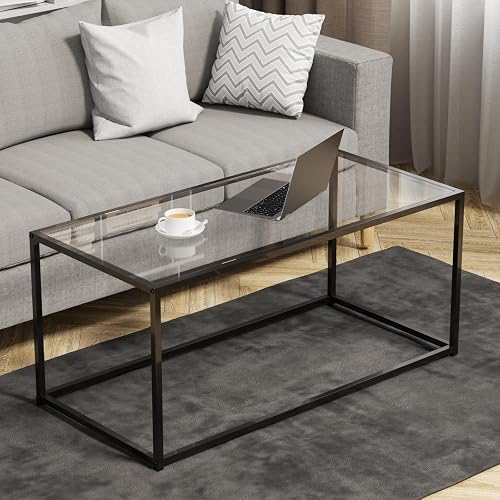
A glass vintage coffee table can give a living room a light, layered look that new pieces often miss. This guide walks you through how to spot a genuine mid-century or later glass vintage coffee table, check the glass and frame for safety and stability, measure it against your room, and clean or restore it without damaging the finish. By the end, you will have a clear checklist for buying with confidence.
What Makes a Glass Vintage Coffee Table Different
Most vintage glass tables fall into a few broad families. Mid-century pieces from the 1950s and 1960s often use a thick, clear or lightly tinted glass top on a sculpted metal base, usually brass, chrome or wrought iron. Later 1970s and 1980s designs lean toward smoked or bronze glass, brass frames and rounded or kidney shapes. Italian and Hollywood Regency examples may use beveled edges and gilded bases. Knowing these families helps you date a table and judge whether its proportions suit your room.
Shopping for one? See our guide: 5 Best Pottery Barn Coffee Tables in 2026 – Glass Top Picks.
Age alone does not make a table valuable or safe. Vintage glass sometimes carries stress fractures, chips at the edges or clouding from long storage. Frames can be bent, rusted or held together with old fasteners. The rest of this guide treats each of those issues as something to check before you pay.
Step 1: Check the Glass
The top is the most important part of any glass vintage coffee table, because it carries the load and sits at eye level. Work through these checks in order.
Look for safety glass markings
Tempered glass usually shows a small stamp or etching in one corner, often with the manufacturer’s name and the word “tempered” or “safety glass.” Laminated glass may show a faint edge line where two layers meet. Many pre-1970s pieces have no markings at all, which is a reason to be cautious. If you cannot confirm the glass type, treat the table as decorative and avoid putting heavy objects or children’s play on it. For more on how the two types differ, see Tempered Glass Coffee Tables Explained on this site.
Inspect for chips, cracks and clouding
Run a fingertip along each edge. Chips that catch the skin or spread into a crack are a reason to walk away or negotiate. Hold the glass up to a window or a lamp and look for hairline cracks, which often start at the corners or near drilled holes. Clouding or haze across the surface can sometimes be polished, but deep scratches usually cannot.
Check the thickness and edge finish
Vintage tops commonly range from about 3/8 inch to 1/2 inch thick, and thicker tops feel more substantial and handle weight better. A polished or beveled edge looks refined. A rough or unfinished edge is less pleasant to touch and can indicate a cheaper or repaired piece.
Step 2: Evaluate the Frame and Base
A solid base matters as much as the glass. Lift the table by one side and watch how the frame flexes. Any wobble, creaking or sudden shift suggests loose joints.
Common frame materials
- Brass: Heavy and warm in tone. Look for dents and check whether the finish is original lacquer or a later polish.
- Chrome-plated steel: Common in the 1960s and 1970s. Pitting under the plating is hard to repair.
- Wrought iron: Often hand-forged and sturdy. Surface rust can be treated, but deep flaking may mean structural loss.
- Wood: Occasionally paired with glass. Check for rot, split joints and water rings.
Inspect the joints and hardware
Look at where legs meet the frame. Original vintage fasteners are sometimes slotted screws or small bolts that may be replaced with modern hardware during restoration. Replacing them with correctly sized, matching parts is usually better than forcing old ones. Give the glass a firm but gentle press to confirm it sits flat on its supports and does not rock.
Step 3: Measure for Your Room
Vintage tables come in a wide range of sizes, and older pieces are often smaller than current standards. Before you commit, measure the space and the table, then compare the numbers.
Use these basic guidelines
- Leave about 14 to 18 inches between the table edge and the sofa, enough for knees and a drink.
- Aim for a table height within 2 inches of the sofa seat height. Many vintage tables sit between 14 and 17 inches tall.
- Keep the table about two-thirds the length of the sofa for a balanced look, or go smaller in tight rooms.
Compare shapes and dimensions
| Table shape | Typical vintage size range | Best fit |
|---|---|---|
| Rectangular | 36 to 48 in long, 18 to 24 in wide | Standard sofa and sectional layouts |
| Round | 30 to 42 in diameter | Conversation groupings and tight corners |
| Kidney or oval | 36 to 50 in long | Curved sofas and softer, mid-century rooms |
| Nesting or small | 18 to 24 in across | Apartments and accent seating |
For a deeper look at proportions in small rooms, the guide to Small Glass Coffee Tables: A Complete Space-Saving Guide covers scale in more detail.
Step 4: Clean and Restore Safely
Once you bring a glass vintage coffee table home, clean the glass and frame separately. Mixing the wrong products can dull brass or leave streaks on glass.
Tools and supplies you will need
- Two microfiber cloths, one for washing and one for drying
- A bowl of warm water with a few drops of mild dish soap
- Glass cleaner made for tinted or coated glass, if the top has color
- A soft-bristle brush for carved or textured frames
- A metal polish suited to the frame material, applied with a separate cloth
- Felt pads or rubber feet to protect the floor and reduce rattling
Restoration sequence
- Remove the glass from the frame if it lifts out, and lay it on a padded surface.
- Wash the glass with soapy water, rinse, and dry with the second cloth.
- Clean the frame with a dry brush first to lift dust from crevices.
- Test metal polish on a hidden spot before using it across the whole frame.
- Reassemble and check that the glass sits level and does not contact metal directly. Add thin felt spacers if needed.
Owners often report that the biggest improvements come from gentle cleaning rather than aggressive polishing. Heavy abrasives can remove original finishes that collectors value. If the frame needs structural repair, such as re-welding or re-plating, consult a professional restorer.
Common Mistakes to Avoid
- Buying without lifting the table. A table that looks solid on display can wobble once it is in your home.
- Assuming all old glass is safety glass. Unmarked glass may not be tempered, so keep heavy items off it.
- Using abrasive cleaners on coated or tinted glass. These can strip the color or the coating.
- Ignoring the room’s lighting. Glass reflects and transmits light differently than wood, so a bright window can make a clear top look busy. See Using Lighting to Enhance a Glass Coffee Table for placement ideas.
- Overstyling the surface. A glass top shows every object, so pick two or three intentional pieces rather than a crowded collection.
Styling a Glass Vintage Coffee Table
Vintage glass pairs well with textured textiles, natural wood and a single bold accent. A low ceramic bowl, a stack of design books and a small plant often look better than a full tray. Pieces with personality, such as a vintage ashtray or a sculptural candle, suit the period. For tray arrangements, the guide on How to Style a Tray on a Glass Coffee Table offers useful layouts. If your rug is small, How to Choose a Rug for a Glass Coffee Table explains how to anchor the table without hiding its base.
Pairing matters too. A glass vintage table with a brass frame can sit beside a warm wood side table, while a chrome piece suits a cooler palette. Browse Pairing a Glass Coffee Table with Side Tables for combinations that balance heights and finishes.
Recommended gear
A soft microfiber set helps you clean glass without streaks, and a dedicated glass cleaner protects tinted surfaces.
- Microfiber glass cleaning cloths: Lint-free fibers lift smudges without leaving residue on the glass. View on Amazon
- Weiman Glass Cleaner: A streak-resistant formula suited to clear and lightly tinted glass surfaces. View on Amazon
- Adhesive felt pads: Thin pads placed under the glass or the feet reduce rattling and protect the frame from scratches. View on Amazon
- Brasso Metal Polish: A metal polish that suits brass and some other metal finishes, to be tested on a hidden area first. View on Amazon
FAQ
Is a glass vintage coffee table safe to use every day?
It can be, if the glass is intact and either tempered or laminated. Unmarked older glass should be treated with caution, especially if children or heavy objects are involved. When in doubt, have a glazier or a restorer assess the top.
How can I tell if the glass is original to the table?
Original glass often matches the frame’s era and may show a manufacturer stamp. Replacement glass is common in restored pieces, so a mismatch in thickness or edge finish is worth noting but does not always mean the piece is inauthentic.
What is the best way to remove scratches from the glass?
Light surface marks sometimes respond to a glass polishing compound used with a soft cloth. Deep scratches usually need professional polishing or replacement of the top.
Can I put a glass vintage coffee table in a room with pets?
Yes, with precautions. Use felt pads on the frame, keep the surface clear of items that might fall, and check that the glass is secure on its supports.
How do I stop a glass top from rattling on the base?
Place thin felt or rubber spacers between the glass and the metal supports. Tighten any loose screws gently, and avoid overtightening, which can crack the glass.
Do vintage glass tables suit small apartments?
Many do, because glass visually lightens a room. Choose a smaller footprint, such as a round or nesting design, and keep the surface uncluttered. Small Glass Coffee Tables: A Complete Space-Saving Guide covers this in detail.
Should I restore a damaged vintage glass coffee table or replace the top?
If the frame is sound and the glass is the only problem, replacing the top with a new piece cut to the original dimensions is often the most practical choice. If the frame is the main issue, a professional restorer can assess whether repair is worth the effort.
Conclusion
A glass vintage coffee table rewards careful inspection. Check the glass for markings, chips and cracks, lift the frame to test stability, and measure the table against your sofa and room. With gentle cleaning and sensible styling, a well-chosen piece can anchor a living room for decades. When structural or safety questions arise, consult a professional glazier or furniture restorer.
Related reading
- Wood Frame Glass Coffee Table Buying Guide
- Using Lighting to Enhance a Glass Coffee Table
- Types of Glass Coffee Tables: Shapes, Bases and Designs
- Top 7 Coffee Table in Glass Picks for Small Spaces and Living Rooms
- Tinted Glass Coffee Table Colors and Effects
- The Advantages of Lightweight Glass Coffee Tables

About Noah Fitzgerald
Noah covers living-room tables, comparing specs, features and long-term owner feedback to help readers choose with confidence.