By Noah Fitzgerald
As an Amazon Associate I earn from qualifying purchases. This page may contain affiliate links.
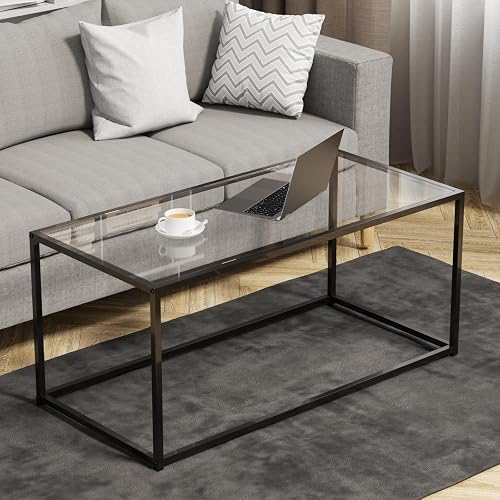
A gold coffee table with glass top pairs a metal base with a clear or tinted glass surface, giving a living room warmth without the visual heaviness of solid wood. This guide walks you through the decisions that matter most: frame finish, glass type, dimensions, safety and styling. By the end, you will have a clear checklist for narrowing your options and spotting a well-built piece.
Why a Gold Coffee Table with Glass Top Works in Most Rooms
Gold metal frames reflect light and add a touch of formality, while the glass top keeps the visual weight low. That combination suits rooms with neutral walls, earth-toned upholstery or a mix of wood and stone finishes. Because the glass lets you see the floor beneath, the table also makes a room feel larger than a solid top of the same footprint would.
Shopping for one? See our guide: 5 Best Pottery Barn Coffee Tables in 2026 – Glass Top Picks.
Gold is not a single color, though. Brushed brass, polished brass, champagne gold and matte gold all read differently under lamps and daylight. Before you buy, look at the finish in person or request a close-up photo, since product images often shift the tone.
Step 1: Decide on the Gold Finish and Frame Metal
Most gold frames are either solid metal or a metal-plated steel or aluminum base. Solid brass is heavier and tends to hold its finish better over time, but it is less common and usually sits at the premium end. Plated steel is the more typical choice and works well when the finish is protected with a lacquer or powder coat.
Check the following when you compare frames:
- Finish type: Polished gold shows fingerprints and scratches more easily. Brushed or matte finishes hide wear better in busy households.
- Joint quality: Look for welded or tightly fitted joints without visible gaps or uneven seams.
- Feet: Felt or rubber pads protect floors and stop the frame from scratching the glass edge when the table is moved.
- Hardware: Bolts and brackets should be finished to match, not painted over with a contrasting tone.
Step 2: Choose the Right Glass Type and Thickness
The glass top does most of the real work, and its quality matters more than the frame’s finish. Look for tempered glass, which is heat-treated to break into small, dull pieces rather than sharp shards. Tempered glass is the standard for coffee tables, and many manufacturers specify it in their product descriptions. Avoid any listing that only says “glass” without naming the type.
Thickness is the second factor. A top roughly 1/4 inch thick suits light decorative use, while 3/8 inch or thicker is more common for tables that will hold books, drinks and a centerpiece every day. Thicker glass also resists flexing when you lean a hand on one edge.
Tinted and frosted options change both look and light. Bronze or smoke tints soften glare and hide small smudges, while frosted glass offers privacy-style coverage that conceals items underneath. For a broader look at tint choices, see Tinted Glass Coffee Table Colors and Effects.
Step 3: Match Dimensions to Your Seating and Floor Space
Sizing errors are the most common regret with coffee tables. Use these general guidelines when you measure your room:
- Measure the length of your sofa. A coffee table is usually two-thirds to three-quarters of that length.
- Leave 14 to 18 inches between the table edge and the front of the sofa so people can reach comfortably and walk around.
- Keep the table height within 2 inches of the sofa seat height. A table that sits noticeably higher or lower feels awkward to use.
- Tape the footprint on the floor and sit in your usual spot for a day to check the flow.
| Room or Seating Setup | Typical Table Length | Typical Table Height |
|---|---|---|
| Compact sofa (about 72 inches) | 36 to 48 inches | 16 to 18 inches |
| Standard sofa (about 84 inches) | 42 to 54 inches | 16 to 18 inches |
| Sectional or large sofa (96 inches or more) | 48 to 60 inches | 17 to 19 inches |
If your room is tight, a smaller footprint or a round design may help, and the guide to Small Glass Coffee Tables: A Complete Space-Saving Guide covers layouts in detail.
Step 4: Check Safety and Stability
A glass top on a metal frame should feel secure with no rocking. Set the table on a level floor and press each corner gently. If it wobbles, check whether the feet are adjustable and whether the frame has cross braces. Glass should sit in a recessed rim or be held by clips, not simply rest on the frame edges.
Consider households with children or pets. Rounded corners reduce injury risk, and a table with a lower profile is less likely to catch knees or heads. Tempered glass is safer than standard annealed glass, but no glass is unbreakable, so inspect edges regularly for chips.
For specific guidance on glass handling and replacement, consult a qualified glazier or the manufacturer’s care sheet.
Step 5: Plan Styling Around the Glass Top
A glass surface shows everything, so styling needs more thought than on a wood table. Start with one or two anchor items, such as a stack of books or a low bowl, then add smaller pieces. Keep the base of decorative items heavy so they do not tip, and wipe the glass often to keep the gold frame and surface looking fresh.
Lighting also changes how the table reads. Warm lamps bring out gold tones, while cool bulbs can make the finish look flatter. For practical ideas, see Using Lighting to Enhance a Glass Coffee Table. If you want a particular look, Living Room Coffee Table Styling Guide: Glass Coffee Table Ideas offers layouts you can adapt.
Quick Checklist Before You Buy
- Gold finish matches your room’s warm or cool tones in person or in a close photo.
- Glass is labeled tempered and has a stated thickness.
- Dimensions fit the sofa length and leave clear walking space.
- Frame joints are tight and feet protect both floor and glass edge.
- Table sits level and does not rock on your floor.
- Return policy and assembly instructions are clear.
Common Mistakes to Avoid
- Buying by photo alone. Gold can look yellow, orange or muted depending on the screen and lighting.
- Ignoring glass thickness. A thin top may look elegant but can flex under everyday use.
- Choosing a table that is too big. Cramped walkways make a room feel crowded.
- Skipping protective pads. Metal feet on hard floors leave marks and can chip the glass.
- Overloading the surface. Too many objects on glass look busy and increase tipping risk.
Tips for Keeping the Table Looking New
- Clean the glass with a microfiber cloth and a mild glass cleaner, then dry it to avoid streaks.
- Wipe gold frames with a soft, dry cloth. Avoid abrasive pads that can dull the finish.
- Use coasters, since moisture can leave rings on the glass and sometimes affect the finish underneath.
- Rotate decor seasonally so the surface does not look static. Seasonal Coffee Table Decor Ideas for Glass Tables has useful rotation ideas.
Recommended gear
A few simple supplies help keep a glass and metal table in good shape.
- Microfiber cleaning cloths: They lift fingerprints from glass without leaving lint or scratches. View on Amazon
- Non-ammonia glass cleaner: Ammonia-free formulas are gentler on tinted glass and protective finishes. View on Amazon
- Self-adhesive felt pads: They protect hard floors from metal feet and reduce sliding when you move the table. View on Amazon
- Clear silicone bumpers for glass: These sit between the glass and frame to prevent rattling and direct contact damage. View on Amazon
FAQ
Is tempered glass safe for a coffee table?
Yes, tempered glass is the standard choice for coffee tables. When it breaks, it crumbles into small, relatively blunt pieces instead of long, sharp shards. It is still possible to crack it, so check the edges regularly.
What glass thickness should I look for?
Many coffee table tops are around 3/8 inch thick, which handles daily use well. Thinner glass can work for light decorative tables but may flex more under weight.
Does gold metal scratch easily?
It depends on the finish. Polished gold shows scratches and fingerprints more readily, while brushed or matte finishes are more forgiving. Protective lacquer or powder coating also extends the finish’s life.
How do I clean a gold frame without damaging it?
Use a soft, dry or lightly dampened microfiber cloth. Avoid abrasive scrubbers and harsh chemicals on the metal. Check the manufacturer’s care instructions for any specific advice.
Will a gold coffee table with glass top fit a small living room?
Often, yes. Choose a compact length, a round shape or a lower profile to keep walkways open. Measure your sofa and floor space before buying.
Should the table height match my sofa?
Ideally the table top sits within about 2 inches of the sofa seat height. This keeps reaching and placing drinks comfortable.
Can I put heavy decor on a glass top?
Keep heavy items centered and avoid stacking objects at the edges. Distribute weight evenly and check that the glass is seated securely in its frame.
How often should I check the table for loose parts?
Inspect the joints and glass seating every few months, and tighten any bolts that have loosened. If you notice cracks or persistent wobble, stop using the table until it has been repaired or replaced by a qualified professional.
Conclusion
A gold coffee table with glass top works best when the gold finish, glass quality and dimensions all suit your room. Focus on tempered glass with a stated thickness, measure against your sofa, and check stability before you buy. With those steps in place, the table will look polished, feel sturdy and stay practical for everyday living.
Related reading

About Noah Fitzgerald
Noah covers living-room tables, comparing specs, features and long-term owner feedback to help readers choose with confidence.