By Aria Parker
Quick answer
The choice between a metal frame vs wood frame coffee table hinges on your style and practical needs. Metal frames offer a strong, sleek, and often more modern look, while wood frames bring natural warmth and classic craftsmanship to a space. Your decision will largely depend on the aesthetic you want to achieve and how the table’s durability fits your lifestyle.
When selecting a coffee table, the frame material is a foundational choice that influences everything from the room’s vibe to the table’s longevity. The debate between a metal frame vs wood frame coffee table is about more than just looks; it’s about structural personality, maintenance, and how the piece fits into your daily life. Both materials have distinct advantages, and understanding them can help you find the perfect anchor for your living room.
Structural Stability and Build
At its core, a coffee table must be stable and sturdy. Metal and wood achieve this in different ways. Metal frames, often crafted from steel or iron, are inherently strong and rigid. They can support heavy glass tops and resist warping or shifting over time. The joints in metal frames are typically welded or bolted, creating a very solid, often industrial-grade connection. This makes them excellent for designs with slender legs or minimalist structures that need inherent strength.
Wood frames derive their stability from the thickness of the material and the quality of the joinery. Well-crafted wood tables use techniques like mortise-and-tenon or dowel joints, which, when done correctly, create a durable and lasting bond. The stability of a wood frame can be more susceptible to environmental factors like humidity, which can cause expansion or contraction, though quality construction and finishes mitigate this. For a broader look at how different materials perform, see our guide to living room table materials.
Style Aesthetics and Visual Weight
This is where the choice between metal and wood most dramatically shapes your room’s character.
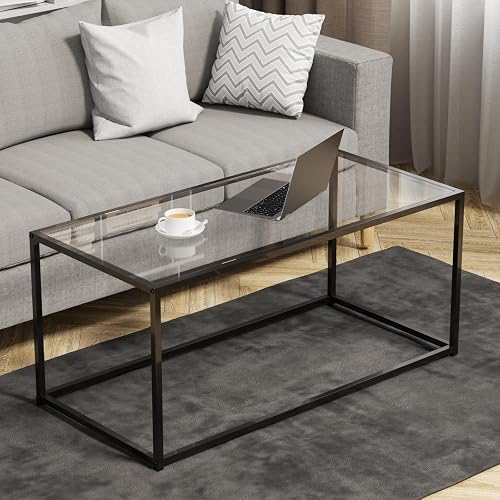
Metal Frames tend to impart a modern, industrial, or minimalist feel. They can be sleek and polished for a contemporary look, or raw and brushed for an urban loft aesthetic. Metal has a lower visual weight, allowing it to support a substantial glass top while the frame itself seems to disappear, creating a light, airy feel. This makes metal a popular choice for glass-topped tables where you want to emphasize the transparency.
Wood Frames bring natural warmth, texture, and a sense of traditional craftsmanship. The grain patterns, stain colors, and wood species (like oak, walnut, or maple) add organic character that can make a space feel cozy and inviting. Wood has a higher visual weight, grounding a room and often serving as a focal point. Its style range is vast, from rustic farmhouse to mid-century modern to formal traditional.
Durability and Daily Life
How will your coffee table hold up to everyday use? Each material has its own profile.
What to look for
- Metal: Resists dents and is not affected by humidity. Look for a durable powder-coated or plated finish to prevent rust and scratches.
- Wood: Can be sanded and refinished to repair scratches or stains. Solid wood is more durable than veneers for long-term wear.
- For both: Check the manufacturer’s assembly instructions and weight capacity specifications to ensure safe, stable use.
Metal is highly resistant to dents and is impervious to changes in humidity. Its main vulnerability is its finish. A high-quality powder coat or plating is crucial to prevent corrosion (rust) and scratches. Once scratched, metal can be difficult to touch up seamlessly.
Wood is susceptible to scratches, water rings, and dents, but this is often part of its developing patina. A significant advantage is its reparability: a solid wood table can often be sanded and re-stained or re-oiled to address surface damage. However, wood can warp or crack in extremely dry or humid conditions if not properly acclimated or finished.
Maintenance and Care Considerations
Caring for your table will differ based on its frame material. Metal frames generally require less day-to-day upkeep. A simple wipe with a damp cloth is usually sufficient. The key is to avoid harsh abrasive cleaners that can damage the protective finish. If the finish is compromised, consult the manufacturer for touch-up recommendations to prevent rust.
Wood frames need a bit more attentive care to preserve their beauty. Use coasters to prevent water rings and heat marks, and clean spills immediately. Dust regularly with a soft, dry cloth, and use wood-specific cleaners or polishes as recommended by the manufacturer. Avoid placing wood furniture in direct sunlight, which can fade the finish over time.
Safety
Regardless of frame material, stability is paramount. Always assemble the table exactly according to the manufacturer’s instructions, ensuring all bolts or fasteners are tight. For tables with glass tops, ensure the glass is properly secured in the frame or with provided clips. Check furniture periodically for loose joints. If you have young children, consider the CPSC’s Anchor It! campaign guidance for securing top-heavy furniture. For recall information, you can check the CPSC recalls database.
Making Your Choice
To decide, consider your existing decor and lifestyle. A metal frame might be the perfect complement to a modern apartment, adding clean lines without visual clutter. A wood frame could be the ideal choice for a family room, offering a durable, repairable surface and a warm, inviting feel. Think about the other materials in your room—a metal frame can contrast nicely with warm wood floors, while a wood frame can complement them. For more comparisons, explore our material comparisons category.
| Consideration | Metal Frame | Wood Frame |
|---|---|---|
| Primary Style | Modern, Industrial, Minimalist | Traditional, Rustic, Mid-Century, Warm |
| Visual Weight | Lighter, more airy | Heavier, more grounding |
| Durability Focus | Finish integrity (rust prevention) | Surface protection (scratches, stains) |
| Key Maintenance | Wipe clean; protect the finish | Use coasters; condition as needed |
| Best For… | Sleek looks, high humidity areas, minimalist decor | Warm character, repairable surfaces, classic styles |
FAQ
Can metal and wood be combined in a coffee table?
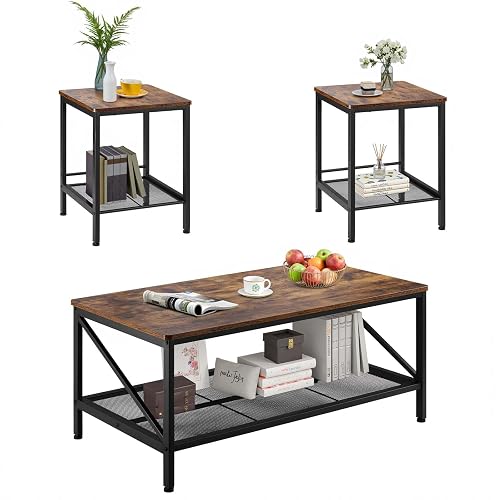
Absolutely. Many coffee tables feature a hybrid design, such as a wood top on a metal base or metal accents on a primarily wood frame. This can be a great way to blend the industrial feel of metal with the warmth of wood, creating a balanced and unique piece.
Is a metal frame or wood frame more pet-friendly?
Both have pros and cons. Metal legs are less likely to be scratched by pet nails but can be noisy if scratched. Wood can show claw marks more easily but can often be sanded and touched up. For both, stability is critical to prevent tipping, so consider a table with a sturdy, wide base. If you want more background, see 7 Best Wood Circle Coffee Tables for Small Living Rooms (2026).
Which material is better for a small living room?
Metal frames often have a lower visual profile and can make a small space feel less crowded, especially when paired with a glass top. However, a wood table with slender, tapered legs can also work well. The key is to choose a scale and color that doesn’t overwhelm the room.
How do I know if the construction is high quality?
For metal, look for even, thick welds or secure bolting at the joints, and a smooth, even finish without thin spots. For wood, check for solid joinery (not just staples or glue), evenly applied stain or finish, and wood that feels substantial, not hollow. Always review the manufacturer’s specifications and warranties.
Where can I learn more about other coffee table materials?
We have a full resource on coffee table materials that dives deeper into glass, acrylic, stone, and more, helping you understand all your options for your living room centerpiece.
References
- U.S. Consumer Product Safety Commission (CPSC): Furniture stability and recall guidance.
- Manufacturer manuals and specification sheets: For assembly, care, and weight capacity instructions.

About Aria Parker
Aria researches and writes buying guides and how-to articles on living-room tables. Picks are based on product specifications, brand reputation and patterns in owner feedback, and are updated as new models come out.