By Aria Parker
Quick answer
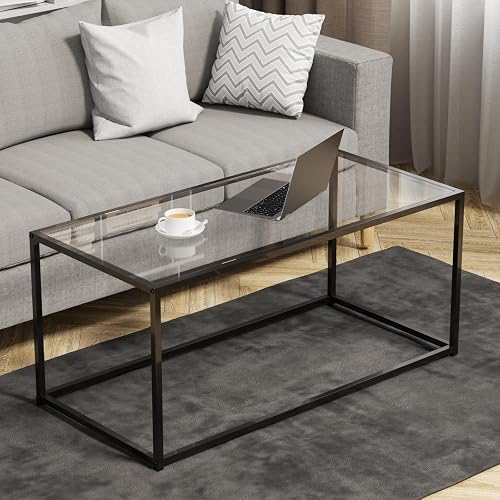
The core glass vs acrylic coffee table differences come down to weight, durability, and safety. Glass offers superior scratch resistance and optical clarity but is heavier and can shatter. Acrylic is much lighter and less prone to shattering but scratches more easily and can discolor over time.
When you’re choosing a living room table, the material is a major decision that affects the look, feel, and function of your space. The debate between glass and acrylic for a coffee table is a common one, as both offer a modern, transparent aesthetic but perform very differently in daily life. Understanding the key glass vs acrylic coffee table differences in clarity, weight, scratch resistance, and safety will help you pick the best fit for your home’s rhythm, whether you’re a renter who moves often, a parent with young kids, or someone who loves to entertain.
Clarity and Aesthetic Appeal
At first glance, a glass and an acrylic table might look similar, but their visual qualities are distinct. High-quality tempered glass has exceptional optical clarity, with a depth and brilliance that is difficult to replicate. It tends to feel more substantial and premium, reflecting light in a crisp, clean way. Over many years, its clarity is generally stable if cared for properly.
Acrylic, a type of plastic, has a different kind of transparency. While high-grade acrylic can be very clear, it often has a very slight inherent haze or softness compared to glass. It can also be more prone to optical distortions, especially in thicker panels or around the edges. Furthermore, lower-quality acrylic or pieces exposed to direct sunlight for years can develop a yellowish tint, which affects the color of items placed on and under the table. For a purist seeking a crystal-clear “invisible” look, glass is typically the preferred choice.
Durability: Scratch and Impact Resistance
This is where the materials diverge most dramatically. Their durability profiles are almost opposites, which makes this a crucial factor in your decision.
Glass (when tempered) is exceptionally hard and scratch-resistant. Everyday items like remote controls, books, or ceramic coasters sliding across the surface are very unlikely to leave a mark. Its primary vulnerability is to sharp, direct impacts from hard objects, like a metal corner being dropped from a height, which can cause it to shatter.
Acrylic is much softer. It is highly resistant to shattering from impacts—it might crack or dent under extreme force, but it won’t explode into small, dangerous pieces. However, this softness makes it far more susceptible to scratches. Dust, pet claws, sliding a laptop, or even cleaning with a rough cloth can introduce fine scratches over time, which can cloud the surface. This trade-off—shatter resistance for scratch vulnerability—is central to the glass vs acrylic coffee table differences.
What to look for
- For high-traffic homes: Consider if your household is more prone to accidental knocks (favoring acrylic’s shatter resistance) or surface abrasion from daily use (favoring glass’s hardness).
- For tabletop styling: If you plan to frequently place and slide decorative trays, books, or objects, glass may maintain its look better.
- For long-term clarity: Ask the manufacturer about UV-stabilized or non-yellowing acrylic formulations if placing the table in a sunny room.
Weight and Practical Handling
The physical heft of the tabletop is a major practical consideration. Tempered glass is dense and heavy. A glass coffee table top, especially in larger sizes, can be very difficult for one person to move or lift, which complicates cleaning underneath, rearranging furniture, or moving homes. This weight contributes to a stable, anchored feel in the room.
Acrylic is about half the weight of glass for the same thickness. This makes acrylic tables remarkably easy to lift, shift, and reposition. For apartment dwellers, renters, or anyone who likes to frequently refresh their layout, this lightweight nature is a significant advantage. It’s also easier to ship and generally places less stress on the table’s frame or base over time.
| Consideration | Glass Coffee Table | Acrylic Coffee Table |
|---|---|---|
| Primary Weight | Heavy, substantial | Light, easy to move |
| Surface Hardness | Very hard, scratch-resistant | Softer, scratches easily |
| Breakage Behavior | Can shatter into small pieces if impacted | May crack or dent, but won’t shatter dangerously |
| Long-Term Clarity | Stable if undamaged | Can develop haze or yellowing |
| Cleaning Care | Use glass cleaner; avoid abrasive pads | Use soft cloth & mild soap; avoid ammonia & abrasives |
Safety and Maintenance Considerations
Safety is a paramount concern with any furniture, especially transparent materials that families with children or pets might choose.
Safety
If you choose a glass coffee table, we strongly recommend selecting one made with tempered (safety) glass. While no U.S. federal regulation mandates tempered glass for furniture tables (standards like ANSI Z97.1 and CPSC 16 CFR 1201 apply to architectural glazing like doors and shower enclosures), tempered glass is the common choice for furniture tables; check the product details to confirm it. If broken, it crumbles into small, dull pieces rather than sharp, jagged shards. Always check the manufacturer’s specifications to confirm the glass is tempered. For any furniture, ensure it is stable and not prone to tipping; see the Anchor It! campaign for tip-over prevention tips. For product recalls, check CPSC Recalls.
Acrylic’s safety advantage is its shatter resistance. Under normal use, it’s very unlikely to break, and if it does fracture from extreme force, the pieces are typically large and less hazardous than shattered glass. However, its soft surface requires gentle care. Clean it only with a soft microfiber cloth, mild soap, and water. Avoid ammonia-based cleaners (like many glass cleaners), abrasive scrubs, or paper towels, as they can permanently mar the surface.
Glass is easier to clean streak-free with standard glass cleaners, but you should still avoid abrasive scouring pads that could scratch the glass or its seals.
Making Your Choice
Your lifestyle should guide your decision. An acrylic coffee table could be ideal if you need lightweight, easy-to-move furniture, are very concerned about dangerous shattering, or live in a home where the table might get bumped. A glass table is likely the better path if you prioritize a pristine, scratch-free surface for decades, love the cool, heavy feel of glass, and are confident in a stable, low-impact environment.
Remember, the frame material—whether metal, wood, or another solid—also plays a huge role in the table’s stability, style, and durability. For a broader look at how glass and acrylic stack up against materials like wood, stone, and metal, see our overview of living room table materials. You can also explore more material comparisons in our dedicated section.
FAQ
Which is more durable, glass or acrylic?
It depends on the type of durability. Glass is far more durable against scratches and surface wear. Acrylic is more durable against impacts and is much less likely to shatter completely. So, glass wins for surface hardness, while acrylic wins for impact resistance.
Can you use Windex on an acrylic coffee table?
No, you should not. Ammonia-based cleaners like Windex can cause acrylic to crack, craze (develop fine cracks), or become cloudy over time. Clean acrylic only with a soft cloth dampened with a mild soap and water solution, and dry it immediately with another soft cloth.
Is a glass or acrylic table better for homes with children?
Both require careful consideration. If you choose glass, tempered safety glass is non-negotiable to minimize cutting risk if breakage occurs. Acrylic’s shatter resistance is a natural safety benefit, but its easily scratched surface may not withstand toys and play. For any table, ensure it’s stable and consider padded corner protectors. Always supervise young children around furniture.
Does acrylic look cheaper than glass?
This is subjective, but acrylic can sometimes have a slightly less premium visual presence than glass due to potential softness in clarity, optical distortions, and its lighter weight, which can feel less substantial. High-end, thick acrylic with polished edges can look very elegant, but purists often note that glass has an unmatched, crystal-clear depth.
How do I clean a glass coffee table without streaks?
Use a dedicated glass cleaner or a vinegar-and-water solution sprayed onto a soft microfiber cloth (not directly on the glass, to avoid overspray on the frame). Wipe in a circular motion and immediately buff dry with a separate clean, dry microfiber cloth to prevent streaks.
References
- U.S. Consumer Product Safety Commission (CPSC): Furniture safety and recall information.
- Anchor It!: Tip-over prevention guidelines for furniture.
- Manufacturer manuals and specification sheets: For material composition (tempered glass confirmation, acrylic type), weight limits, and care instructions.

About Aria Parker
Aria researches and writes buying guides and how-to articles on living-room tables. Picks are based on product specifications, brand reputation and patterns in owner feedback, and are updated as new models come out.