 By Claire Whitaker
Updated November 2026
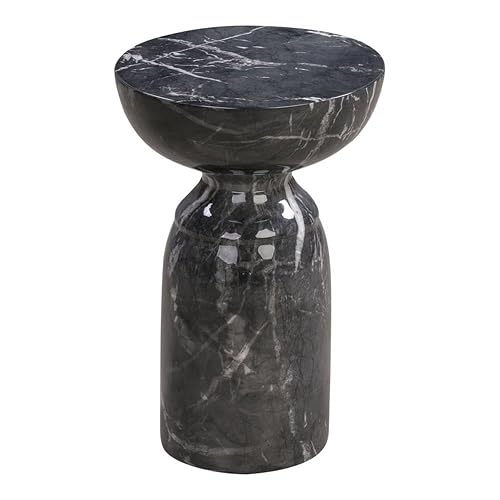
End table DIY ideas range from stacked crates to simple plywood boxes, and most can be built in a weekend with basic tools. This guide covers how to pick a design that fits your room, how to measure before you cut, and how to finish the table so it holds up to daily use. It also includes a few styling notes for small spaces.
Choose a Design That Matches Your Room
Start with the height of your sofa arm. A table that sits 1 to 2 inches below the arm is easy to reach without leaning. Many owners find that a table between 22 and 26 inches tall works well with most sofas. If you are unsure how to size one, the comparison in Side Table vs End Table: Which Should You Choose? explains how height and footprint affect use.
Shopping for one? See our guide: 6 Best End Tables for Living Room (2026): Expert Picks.
For small living rooms, a narrow top of about 16 to 20 inches deep keeps walkways clear. A wider top works better in rooms with space to spare. Sketch the footprint on the floor with painter’s tape before you commit.
Six Beginner-Friendly End Table DIY Ideas
- Stacked wood crates: Two or three crates, secured with corner brackets, make a rustic open-shelf table.
- Plywood box with a solid top: A basic box with a 3/4-inch plywood top gives you a closed cabinet for remotes or books.
- Pipe and reclaimed board: Black iron pipe flanges screwed to a 1 1/2-inch hardwood top give an industrial look with minimal cutting.
- Tiered drum table: Two stacked cable spools or round boards with a dowel frame suit a round, compact footprint.
- Nesting box set: Build two boxes at different heights so they can be used together or separately.
- Upcycled drawer table: An old dresser drawer, mounted on four legs, adds storage with almost no joinery.
Build Steps and Tools
Most of these projects follow the same sequence. Measure the sofa height and the space, cut the pieces, dry-fit everything, then sand and finish.
- Tape measure and pencil
- Circular or miter saw
- Drill with bits and driver
- Wood glue and 1 1/4-inch screws
- Sandpaper in 120 and 220 grit
- Clamps and a square
Dry-fit every joint before adding glue. Check that the top sits flat on a level floor, and shim the legs if needed. Sand edges until they feel smooth to the touch, then apply a finish. Polyurethane suits high-traffic tops, while a hardwax oil gives a softer look.
Finish and Style for Small Spaces
Once the table is built, let the finish cure fully before setting objects on it. Manufacturers of common polyurethanes usually specify several days of curing before heavier use. For styling ideas that work on any end table, see Ideas for Decorating a Coffee Table: 9 Styling Steps That Work, which applies well to small surfaces.
Keep the top to one lamp and one or two objects. A lamp under about 20 inches tall suits most tables in this height range. If you plan to add a lamp, 7 Best Lamps for End Table Picks for Living Rooms (2026) covers shade and base sizes that work with compact tops.
Common Mistakes
- Building before measuring the sofa arm height, which often leads to a table that is too tall or too low.
- Using thin plywood for the top, which can sag under a lamp or stack of books.
- Skipping pre-drilling near board ends, which splits wood.
- Setting heavy objects on a fresh finish before it cures.
- Making the table too wide for the walkway, leaving no clear path.
Recommended Gear
- Corner braces for crate builds: Metal braces hold stacked boxes square without visible joinery. View on Amazon
- Random orbit sander: It gives an even finish on tabletops and reduces swirl marks. View on Amazon
- Clamp set: Clamps hold glued joints tight while the adhesive sets. View on Amazon
FAQ
What is the easiest end table to build as a beginner?
A stacked crate table is usually the simplest, since it needs only square cuts and screws. It also lets you adjust the height by adding or removing a crate.
What wood works best for a DIY end table top?
Hardwood plywood or solid pine boards are common choices. Choose a thickness of at least 3/4 inch for a top that will hold everyday items.
How tall should a DIY end table be?
Aim for a surface about 1 to 2 inches below your sofa arm. Most sofas put this between 22 and 26 inches from the floor.
Conclusion
End table DIY ideas give you control over size, storage and finish, and most builds need only basic tools. Measure your sofa and floor space first, then choose a design that fits the room. A simple, well-finished table will serve you better than an elaborate one that does not fit.
Related reading
- Wood End Table Furniture: A Step-by-Step Guide to Choosing the Right One
- Restoration Hardware End Table: How to Choose, Measure and Style One (2026)
Ready to choose one?
About Claire Whitaker
Claire Whitaker is part of our editorial team and reviews and edits our living-room tables guides, checking product details against manufacturer specifications and owner feedback.