By Violet Maddox
Quick answer
You can achieve a luxury look coffee table styling by focusing on premium materials, intentional proportions, and a curated selection of decorative objects. The key is thoughtful selection and arrangement, not necessarily a high price tag.
Crafting a luxurious living room often starts with a central anchor piece, and the coffee table is a perfect candidate. The goal of a luxury look coffee table styling is to create a sense of curated elegance, quality, and intentional design. This feeling is built through the materials you choose, the scale of the piece, and the objects you display on it. While high-end materials like marble and crystal are classic markers of luxury, the principles of sophisticated styling can be applied to many tables to elevate your space.
Start with the Foundation: Selecting a Table with Luxe Proportions
Luxury often speaks in a language of confidence and balance. The proportions of your coffee table set this tone before you even add a single decorative item. A table that is too small can look lost and insignificant, while one that is overly large can overwhelm the room. Aim for a table that is roughly two-thirds the length of your sofa, leaving a comfortable walking space of about 18 inches between the table and other seating. Height is equally important; a standard coffee table sits about one to two inches lower than the seat cushions of your sofa, creating a harmonious visual plane.
Beyond basic sizing, consider the table’s silhouette. Clean lines, whether in a sharp modern rectangle or a gracefully curved organic shape, convey a sense of deliberate design. Look for tables with substantial, well-defined legs or a solid, sculptural base that feels anchored and weighty. This foundational presence is a hallmark of luxury, suggesting craftsmanship and stability. For more on how different shapes influence style, our guide on Living Room Table Styles explores this in detail.
The Hallmarks of Luxury: Material and Finish
The materials of your table are the most direct communicators of a luxury aesthetic. Certain surfaces have long been associated with high-end design due to their beauty, rarity, and inherent qualities.
Classic Luxe Materials
- Natural Stone: Marble, travertine, and onyx offer unique, dramatic veining and a cool, substantial feel. Each slab is one-of-a-kind. Remember, these are porous materials and require specific sealants and careful cleaning to maintain their look.
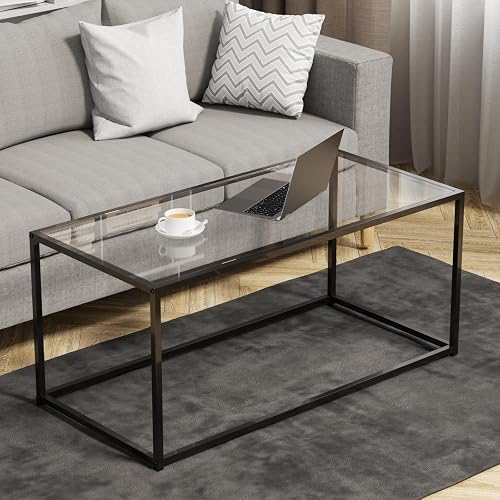
- Crystal and Glass: High-quality, thick glass or crystal with beveled edges or a brilliant polish adds light and transparency. It creates a feeling of airiness and reflects light beautifully.
- Premium Hardwoods: Look for woods with rich grains like walnut, oak, or teak, finished in a way that highlights the natural pattern—whether with a deep oil, a satin lacquer, or a matte seal.
- Metals: Brass, polished nickel, and bronze in brushed or polished finishes add a reflective, enduring quality. They work wonderfully as accents on legs or bases.
What to look for
- Consistent Finish: Check that finishes are even, with no drips, bubbles, or uneven coloration.
- Weight and Stability: A quality table should feel solid and not wobble. This is a key safety and quality indicator.
- Detail in Joinery: Look for clean seams where materials meet and secure fastenings, which suggest careful construction.
- Surface Imperfections in Natural Materials: In stone or wood, view variations in grain or veining as features, not flaws—they prove the material is genuine.
Finishes matter immensely. A high-gloss lacquer, a soft patina on metal, or a perfectly honed matte stone surface all require skilled craftsmanship to execute well. This attention to surface detail is a subtle but powerful luxury signal. For styles that blend luxe finishes with other aesthetics, see our article on Glam, Industrial and Transitional Coffee Table Styles Explained.
The Art of the Arrangement: Styling Your Tabletop
A luxury look coffee table is never cluttered. It is an edited display of beautiful, functional, or interesting objects. Think of the surface as a curated vignette.
Create Layers and Height
Start with a base layer, such as a large art book or a small, textured tray. This anchors the arrangement. Add objects of varying heights: a medium-sized sculptural object, a small stack of books, and a taller item like a vase or candle. This creates visual interest and depth.
Curate a Cohesive Palette
Limit your color palette to two or three tones that complement your room. A mix of neutrals (black, white, cream, tan) with one metallic or natural material accent is a timeless approach. This creates a serene, intentional look.
Incorporate Natural Elements
A simple vase with a single stem or a small branch, a bowl of curated stones, or a piece of driftwood adds an organic, timeless quality that contrasts beautifully with polished surfaces.
Embrace Negative Space
Do not cover every inch of the table. Leaving ample clear surface area is crucial. It makes the displayed items feel special and allows the beauty of the table’s own material to shine through. It also keeps the table functional for daily use.
This approach to styling applies across many decorative styles, which you can explore further in our Decorative Table Styles category.
Safety
When selecting any glass table, prioritize safety. For furniture, look for manufacturer specifications stating the glass is tempered (safety glass). Tempered glass is processed to be stronger and, if it breaks, it crumbles into small, granular chunks instead of sharp shards. Always follow the manufacturer’s assembly instructions to ensure all components are securely fastened. Anchor tall or top-heavy furniture to the wall using appropriate hardware to prevent tip-overs, especially in homes with children or pets. For guidance on anchoring, visit Anchor It!. For product recalls, check CPSC Recalls.
Frequently Asked Questions
Can I make a basic table look luxurious?
Absolutely. Focus on transformative styling. Use a large, beautiful tray to corral items and create a unified base layer. Add a tablecloth or a piece of high-quality, textured fabric draped over part of the table. The key is in the accessories: a few elegant, well-chosen objects styled with plenty of negative space can elevate even the simplest table.
How many items should I put on my coffee table?
There is no magic number, but a common guideline is to group an odd number of items (like 3 or 5) within a cohesive arrangement. More important than the count is the balance and the intentional use of space. The table should not look crowded. Always leave significant open surface area for practicality and visual breathing room.
Are there any materials to avoid for a luxury look?
It is less about avoiding specific materials and more about their execution. Plastic laminates that poorly imitate wood grain, thin glass that feels flimsy, or finishes that chip and peel easily can detract from a high-end feel. Look for materials that feel authentic and substantial, even if they are more affordable alternatives like a quality ceramic or a thick, smooth MDF with a superior paint finish.
How do I maintain a luxury coffee table?
Always follow the manufacturer’s care instructions. Generally, use coasters for all drinks, clean spills immediately with a soft, damp cloth, and avoid harsh chemicals or abrasive pads. For natural stone, use pH-neutral cleaners designed for stone. Dust regularly with a microfiber cloth to prevent scratch-causing grit from building up. Proper maintenance preserves the beauty that creates the luxury look.
References
- Manufacturer manuals and specification sheets: For care, assembly, and safety glazing information.
- U.S. Consumer Product Safety Commission: For furniture safety and recall information.
- Anchor It! campaign: For furniture tip-over prevention guidance.

About Violet Maddox
Violet focuses on practical advice for living-room tables: what matters before you buy, what to skip, and how to get more out of what you already own.